Vietnamese curves of nature
2026/Graduation Work, Motion design
The works begin with a cultural and social observation, where Max Nguyen described being surrounded by clean, rigid, and grid-based contemporary designs, which are driven by international aesthetic trends in both online and offline environments. This observation motivates her to explore how traditional Vietnamese art can be reinterpreted in contemporary visual language, bringing an alternative cultural voice into the global design landscape.
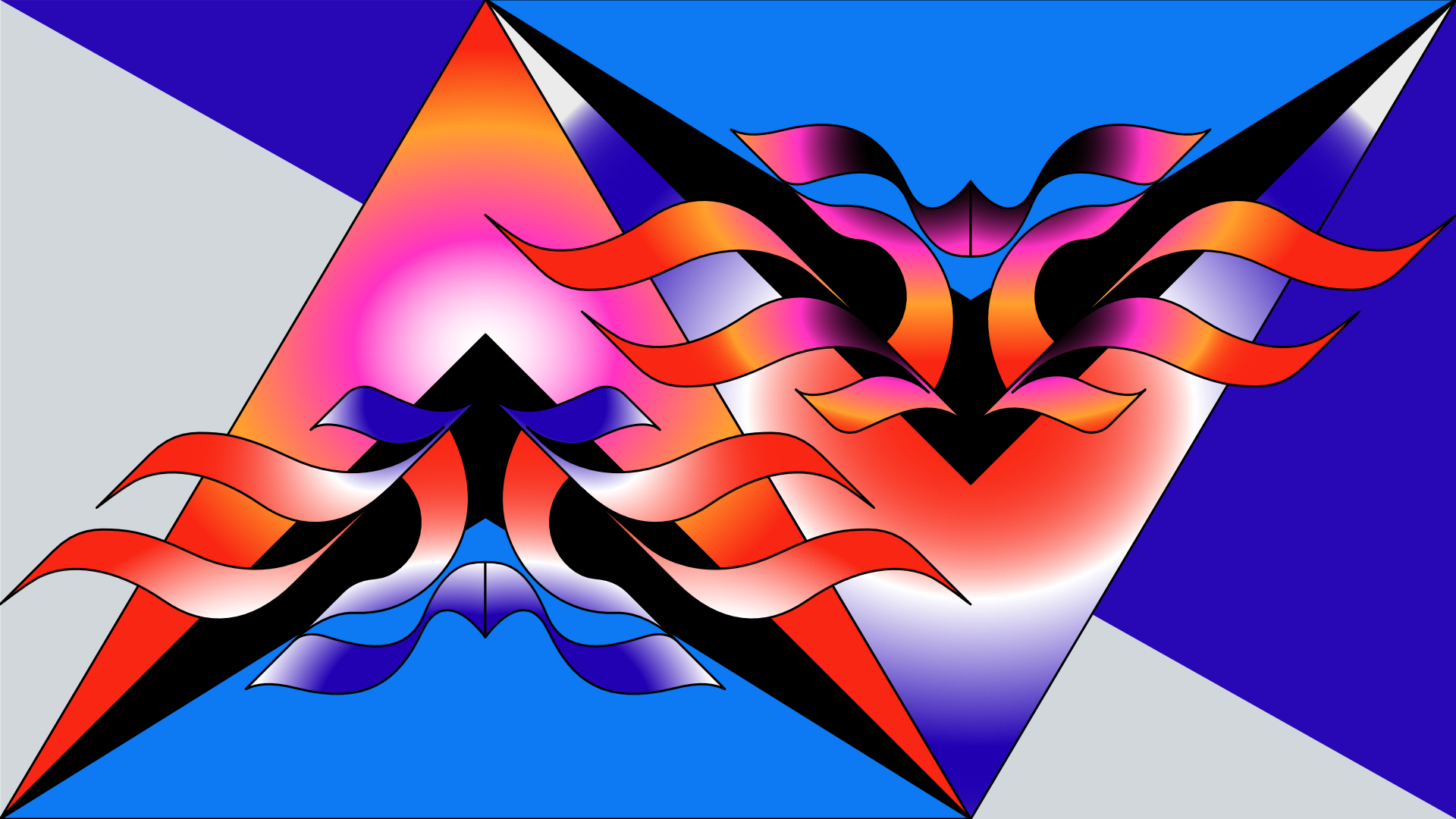
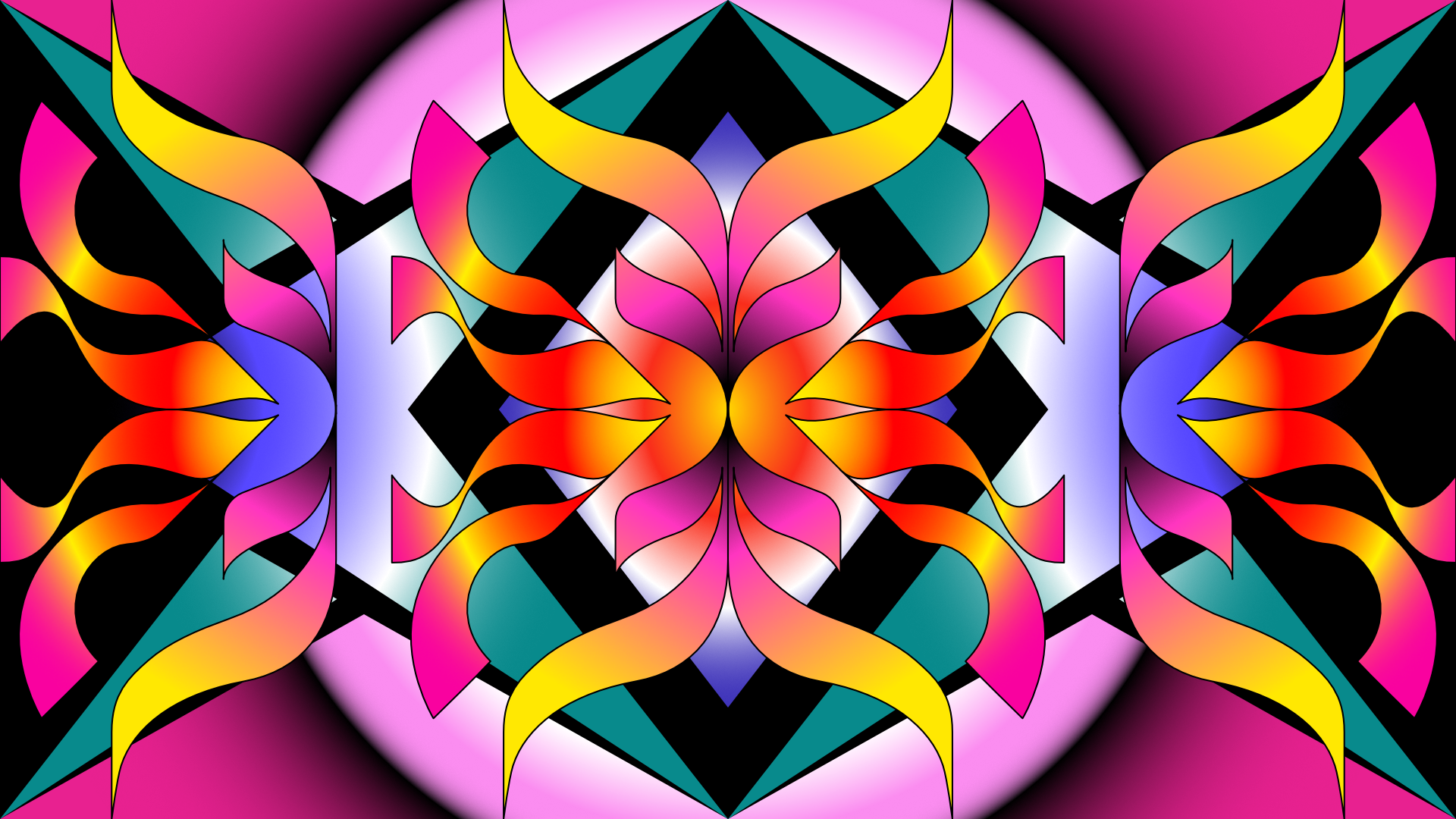
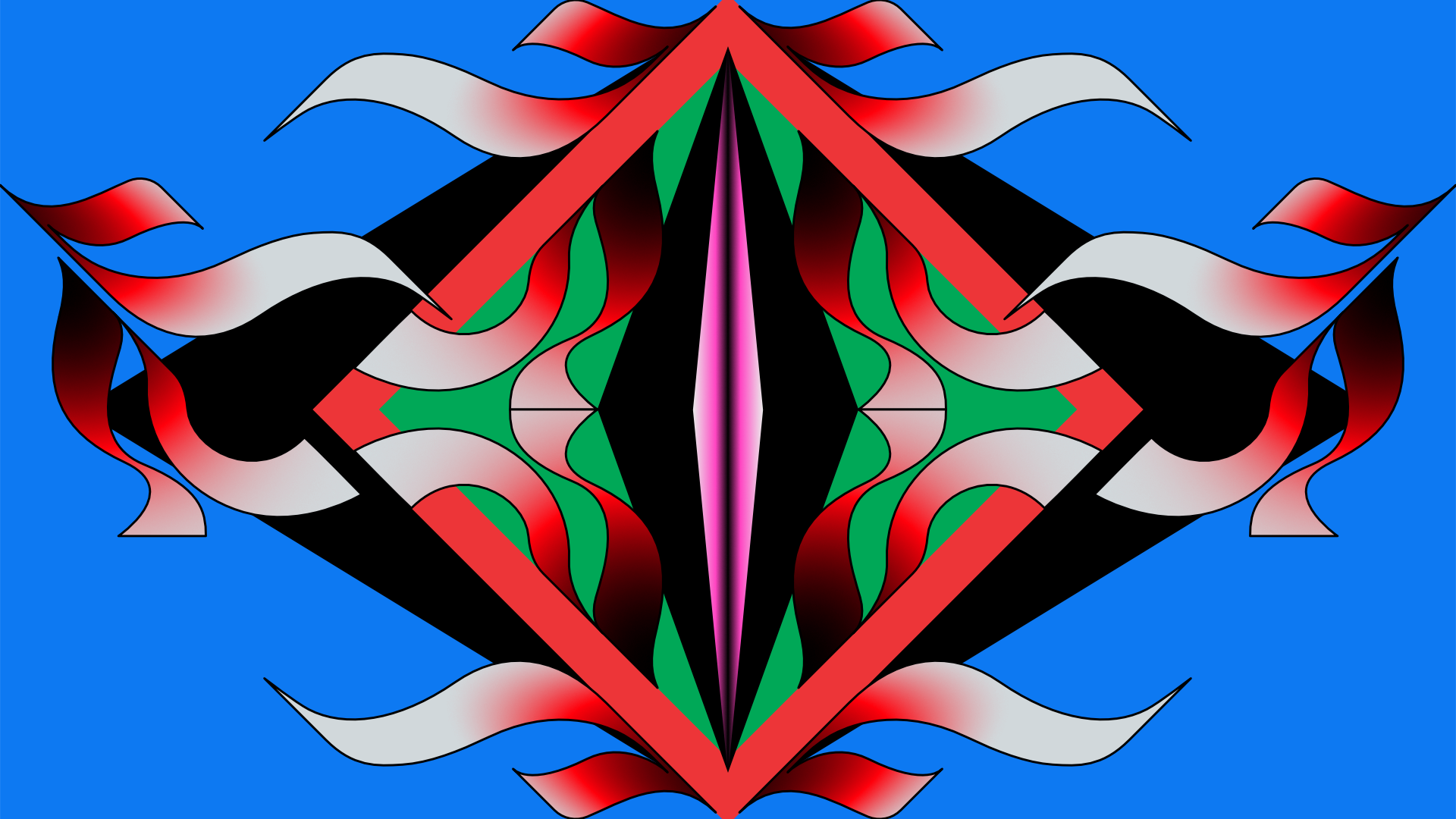
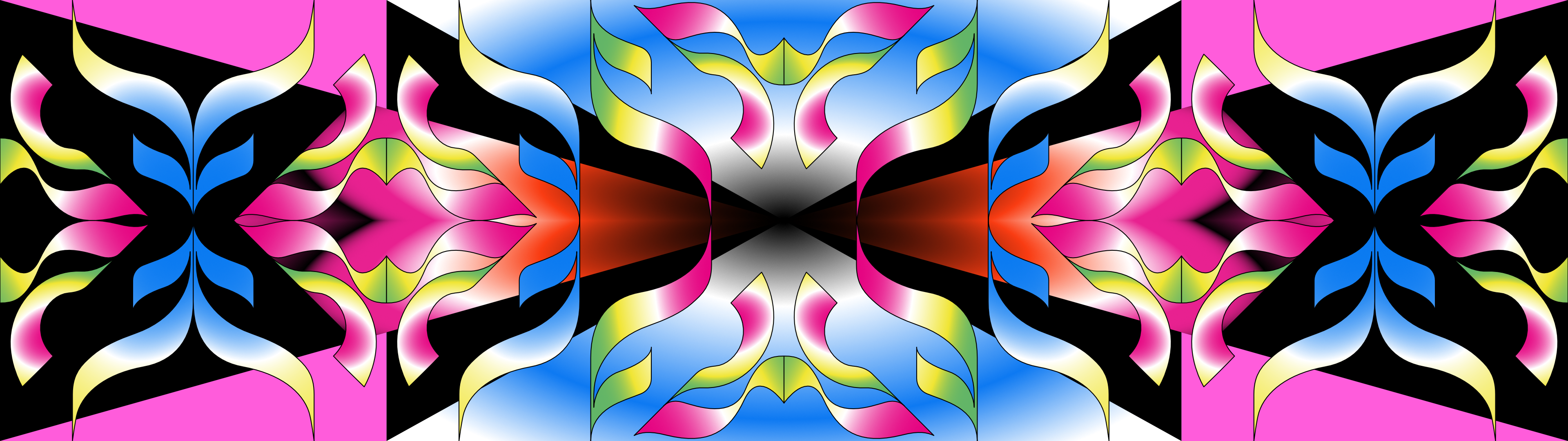
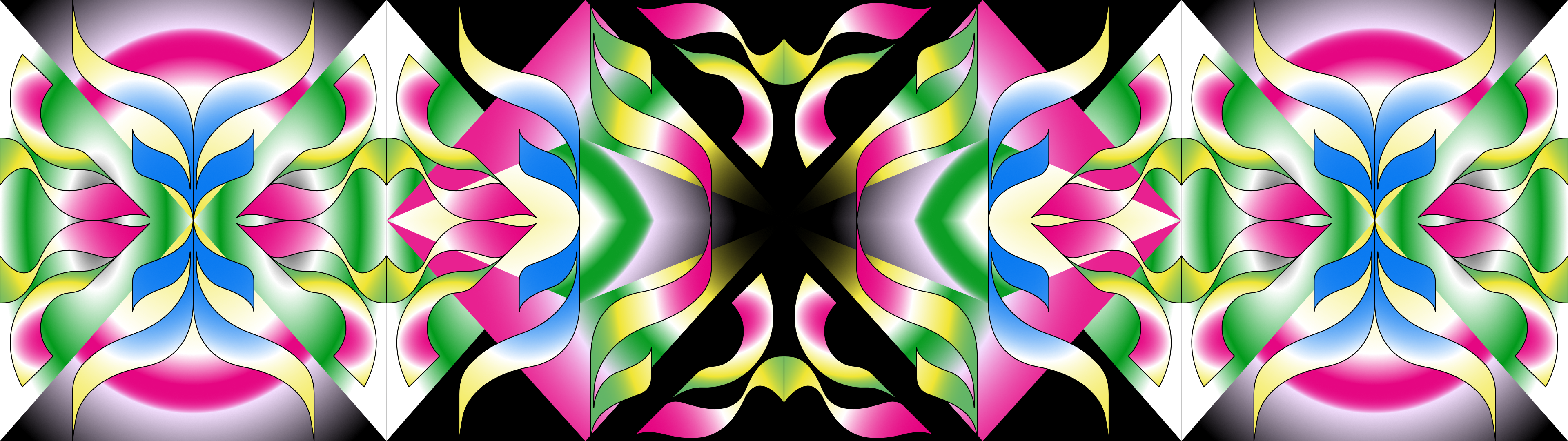
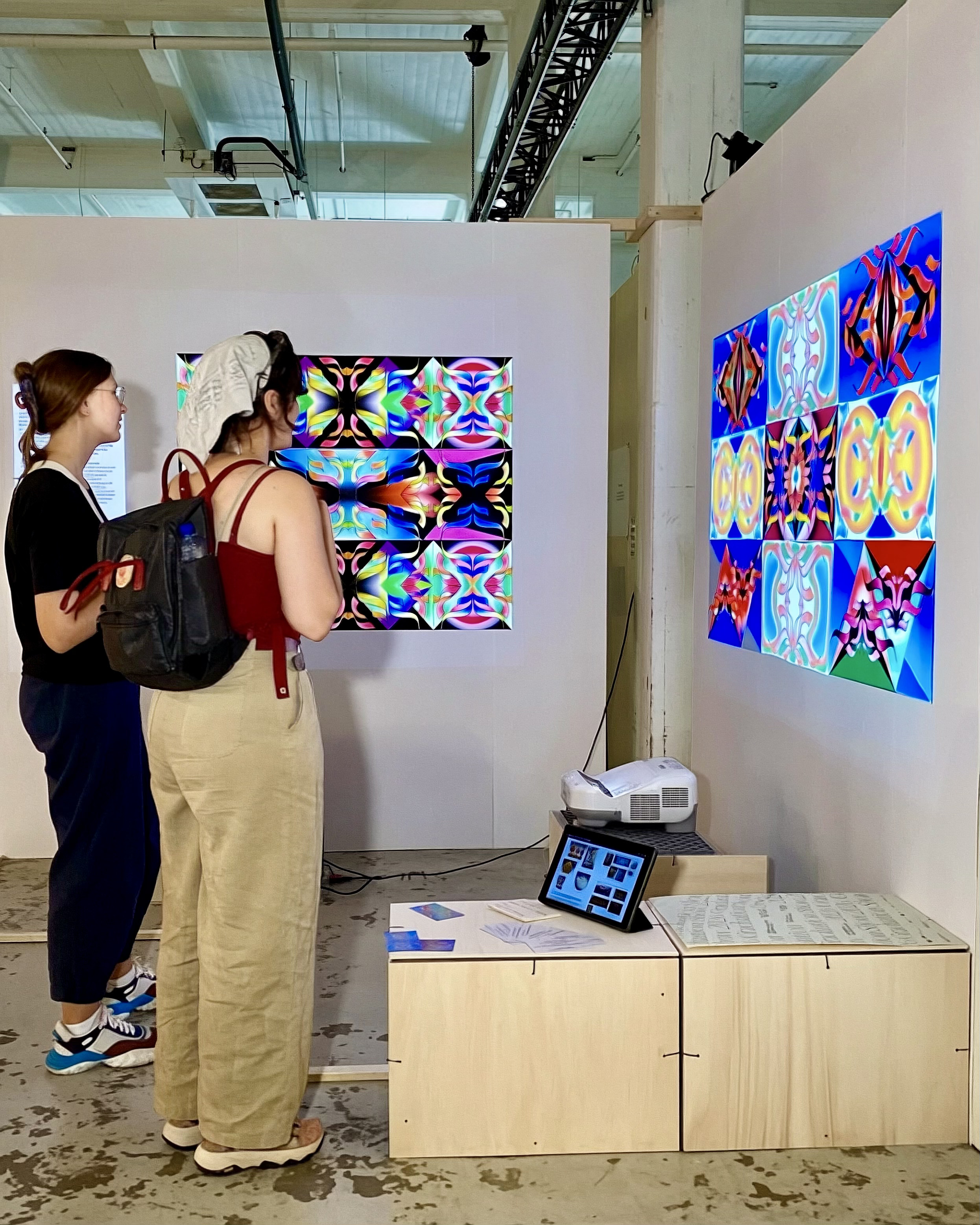
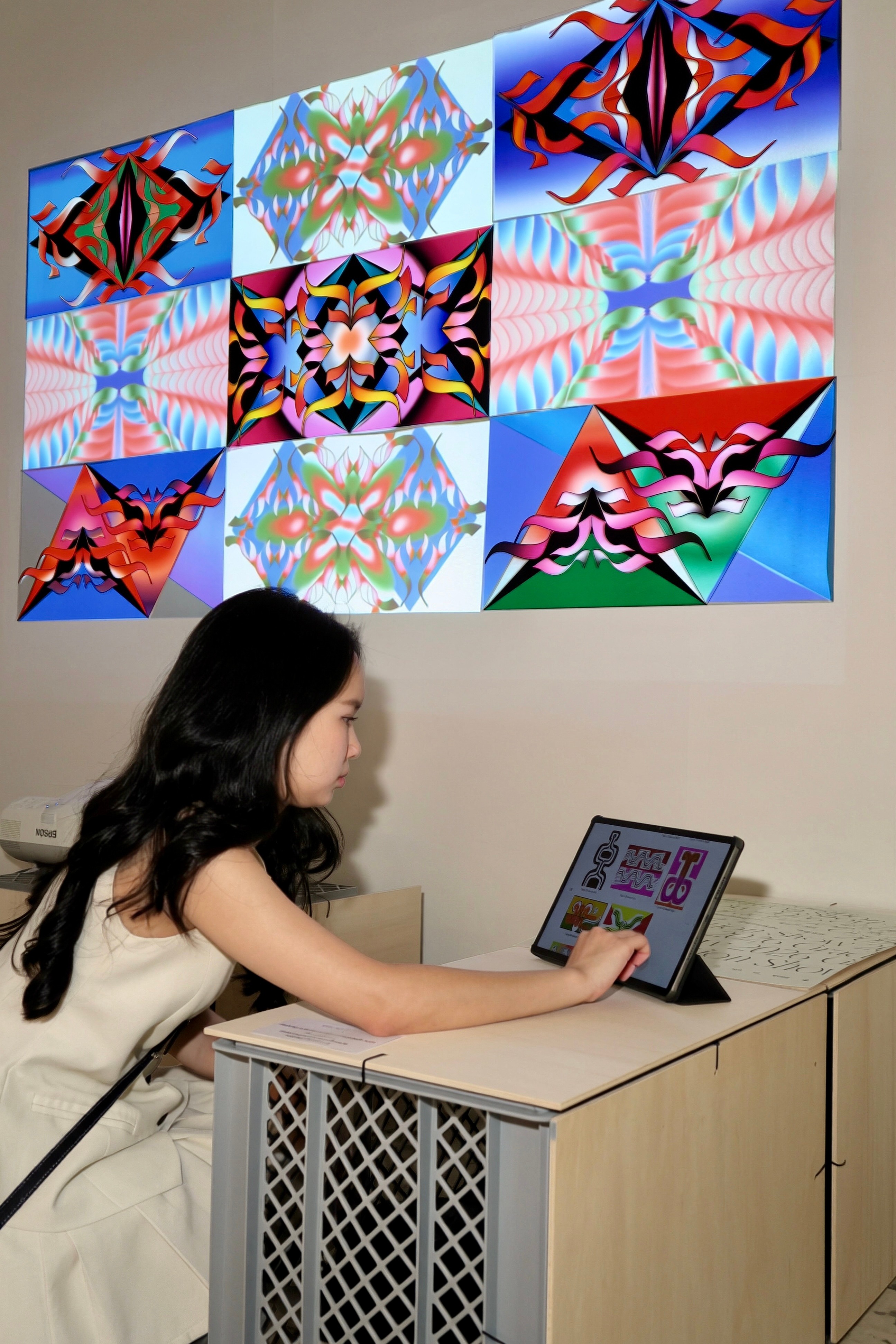
Through her research, she identified "The curve of nature" as a visual principle that appears across traditional Vietnamese art. Seen in the fluidity of water, the compassionate influence of the Buddhist lotus, the softness of floral motifs, and the fertility and abundance depicted in the winding dragon, these curves are rooted in Vietnam's wet-rice civilization and reflect a Vietnamese philosophy of living in harmony with nature.
Rather than borrowing from the traditional motifs, she adopts the visual logic behind them and builds a modern visual language centred on curves that reflects the enduring relationship between people and nature while inviting viewers to reconnect with Vietnam’s rich visual heritage.
Vietnamese curves of nature
2026/Graduation Work, Motion design
The works begin with a cultural and social observation, where Max Nguyen described being surrounded by clean, rigid, and grid-based contemporary designs, which are driven by international aesthetic trends in both online and offline environments. This observation motivates her to explore how traditional Vietnamese art can be reinterpreted in contemporary visual language, bringing an alternative cultural voice into the global design landscape.
Through her research, she identified "The curve of nature" as a visual principle that appears across traditional Vietnamese art. Seen in the fluidity of water, the compassionate influence of the Buddhist lotus, the softness of floral motifs, and the fertility and abundance depicted in the winding dragon, these curves are rooted in Vietnam's wet-rice civilization and reflect a Vietnamese philosophy of living in harmony with nature.
Rather than borrowing from the traditional motifs, she adopts the visual logic behind them and builds a modern visual language centred on curves that reflects the enduring relationship between people and nature while inviting viewers to reconnect with Vietnam’s rich visual heritage.
Vietnamese curves of nature
2026/Graduation Work
The works begin with a cultural and social observation, where Max Nguyen described being surrounded by clean, rigid, and grid-based contemporary designs, which are driven by international aesthetic trends in both online and offline environments. This observation motivates her to explore how traditional Vietnamese art can be reinterpreted in contemporary visual language, bringing an alternative cultural voice into the global design landscape.
Through her research, she identified "The curve of nature" as a visual principle that appears across traditional Vietnamese art. Seen in the fluidity of water, the compassionate influence of the Buddhist lotus, the softness of floral motifs, and the fertility and abundance depicted in the winding dragon, these curves are rooted in Vietnam's wet-rice civilization and reflect a Vietnamese philosophy of living in harmony with nature.
Rather than borrowing from the traditional motifs, she adopts the visual logic behind them and builds a modern visual language centred on curves that reflects the enduring relationship between people and nature while inviting viewers to reconnect with Vietnam’s rich visual heritage.